
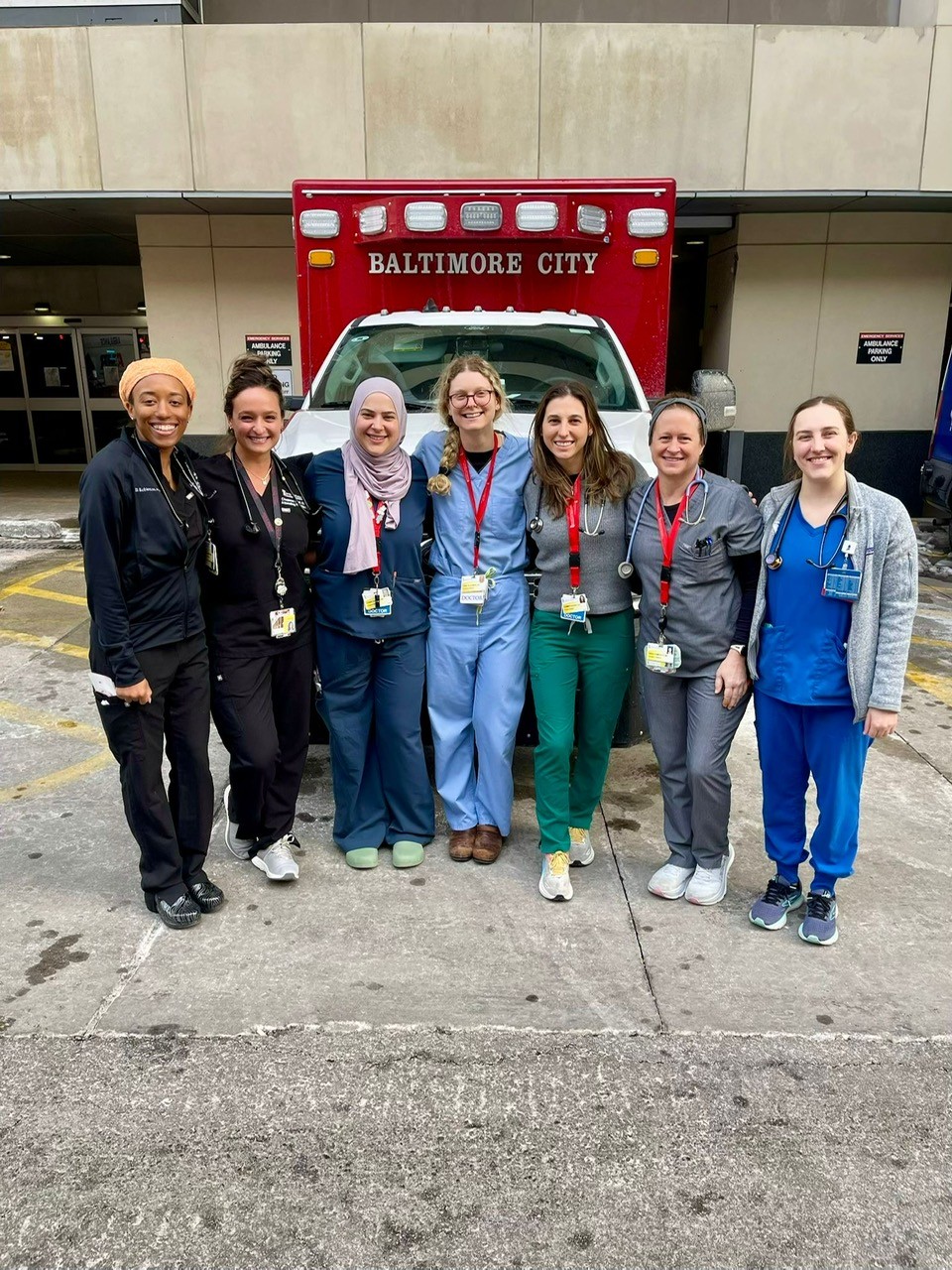
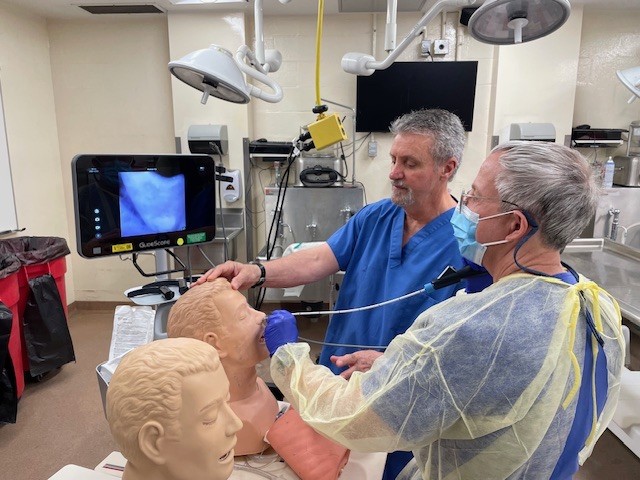
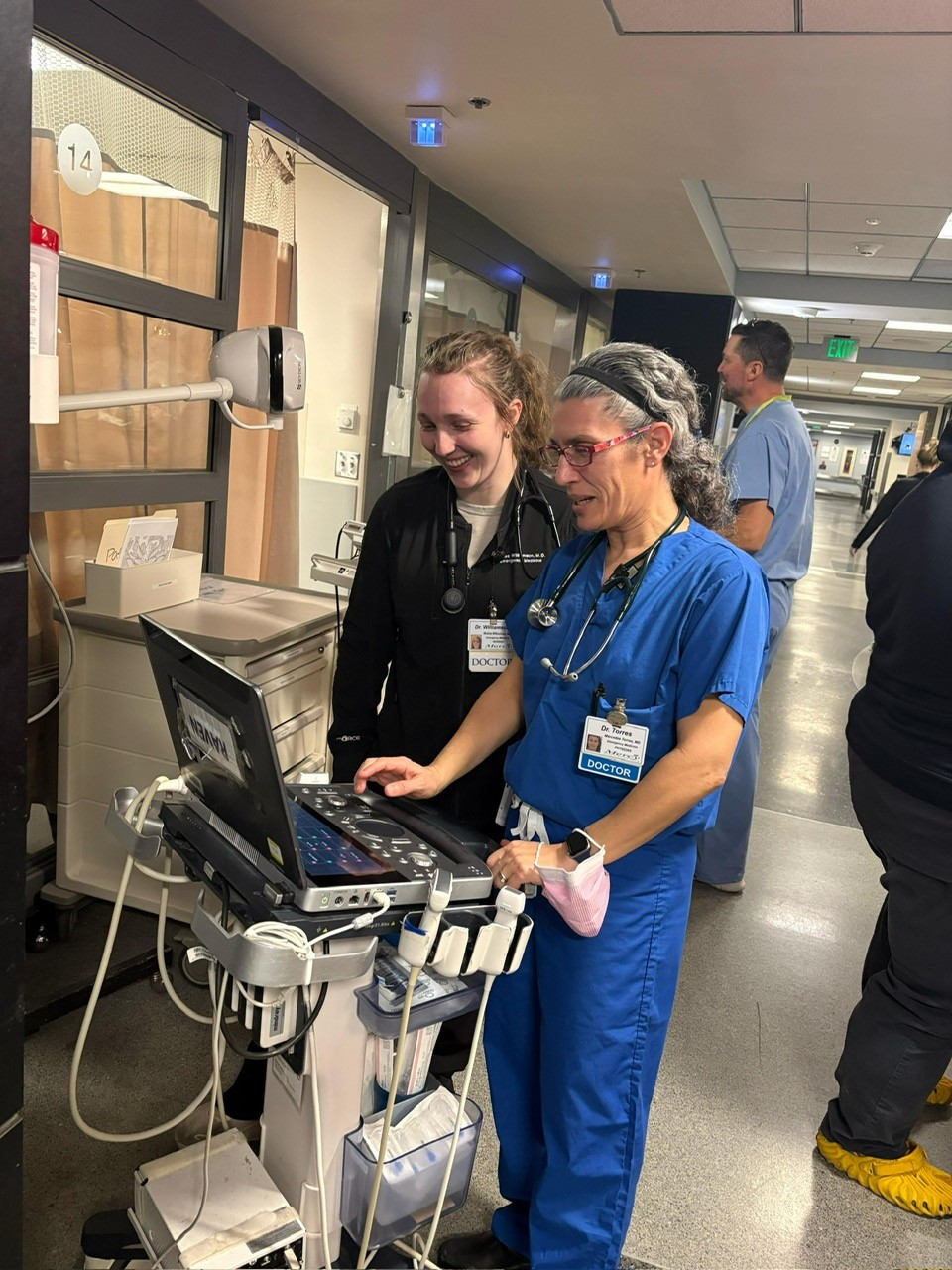
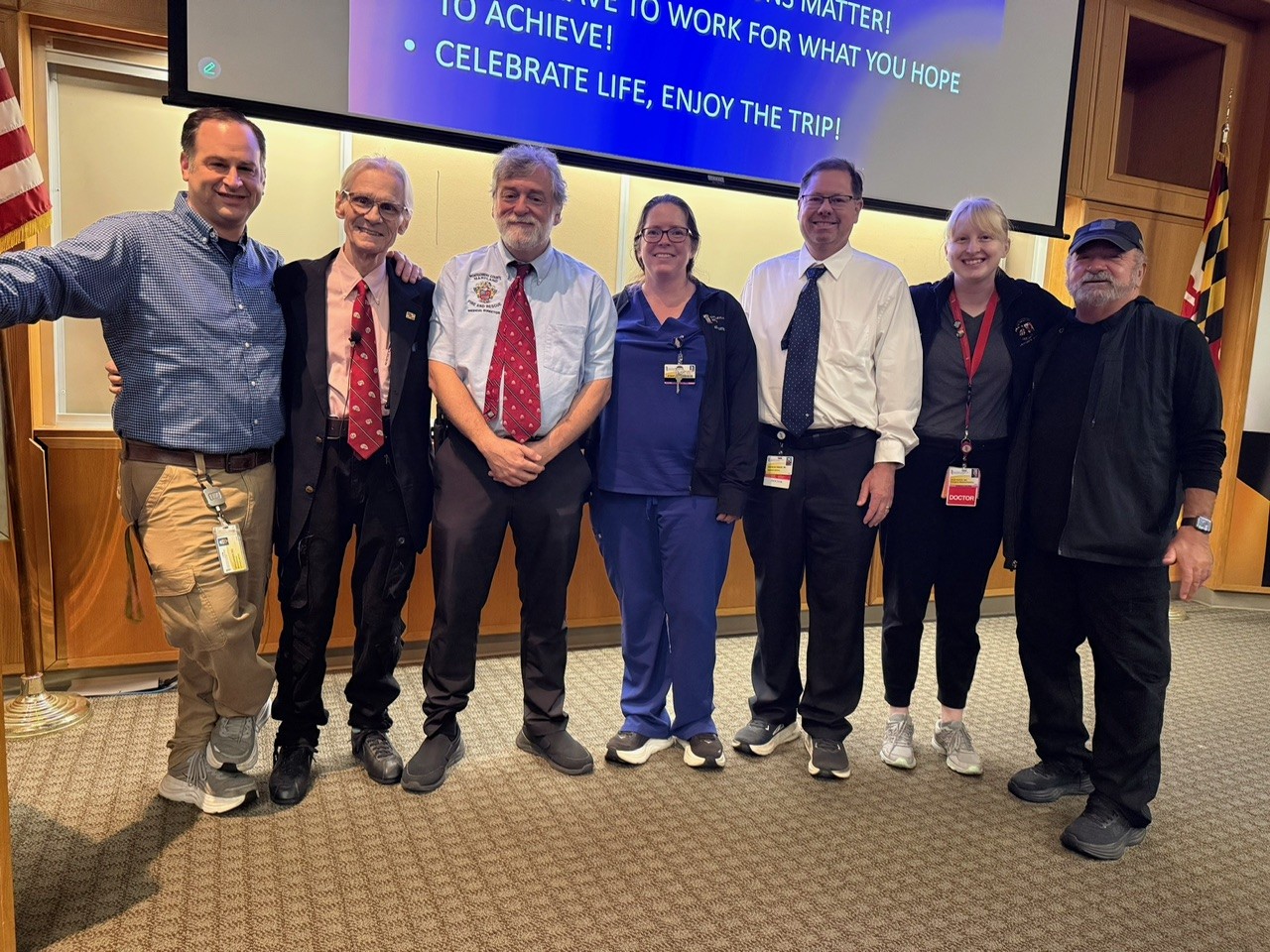
Today on National Doctors’ Day, I’d like to take a moment and recognize the exemplary care, compassion, and skill our Faculty and Residents bring to our patients and our Emergency Departments every day.
When I consider all we do, I am reminded that practicing Emergency Medicine is both a science and an art. Being a great emergency physician requires us all to stay up to date with the literature, analyze a breadth of information, and understand the complex factors affecting the patients who walk into our Departments. But it also requires much more than that. In the ED, we must constantly think on our feet, provide assurance and support to our patients and their families, and collaborate with colleagues across the entire hospital system.
The theme for this year’s celebration of National Doctors’ Day is “Honor the Calling.” Being an emergency physician is so much more than a profession. It is a calling to work that demands all of us, every day, whether we’re in the Emergency Department or not. One of the realities of our work is that being an emergency physician isn’t a job we can “log out” of. We work around the clock. And I know that all of us, even when we’re not at the hospital, are thinking about patients and working tirelessly to improve our skills as a clinician, educator, and leader.
Today, I hope we all take a moment to reflect on the positive experiences we’ve had in the past year with patients and their families. What we do is not easy. Being an emergency physician is a high-stakes, high-pressure career. But it also comes with some of the greatest rewards…saving lives, navigating complex and challenging situations across all ages, genders, and conditions, and providing a safety net of care to patients who would otherwise have none.
Today on National Doctors’ Day, may we all “honor the calling” of serving as emergency physicians. Thank you for what you do. Thank you for what you sacrifice. Thank you for your contributions to our Department—and the entire field of Emergency Medicine.
With gratitude and appreciation,
Mike
On March 16, Associate Professor Kinjal Sethuraman, MD, MPH, was quoted in The New York Times' article on hyperbaric oxygen treatment and potential longevity impacts.
Dr. Sethuraman, who also serves as Medical Director for the University of Maryland Medical Center’s Center for Hyperbaric and Dive Medicine, emphasized that research on hyperbaric treatment is still developing. She also encouraged readers to seek treatment only at facilities accredited by the Undersea and Hyperbaric Medical Society—such as UMMC’s hyperbaric chamber.
On February 20, the University of Maryland School of Medicine (UMSOM) recognized outgoing Department Chair Professor Brian Browne, MD, as a recipient of the School’s inaugural Luminary Award.
The Luminary Award is one of the highest honors given to UMSOM faculty members—recognizing faculty whose esteemed careers, transformational leadership, impact, and unwavering service have illuminated the path for others.
The award honors faculty who have made profound contributions to UMSOM while also displaying an inimitable personal ethic through humility, integrity, and mentorship.
Last year, Dr. Browne retired as Chair of the Department of Emergency Medicine after more than four decades of service to UMSOM. Throughout his tenure, Dr. Browne served as a gifted physician, visionary leader, and tenacious entrepreneur who dedicated his career to building the Department of Emergency Medicine—and ensuring its success.
Congratulations, Dr. Browne!
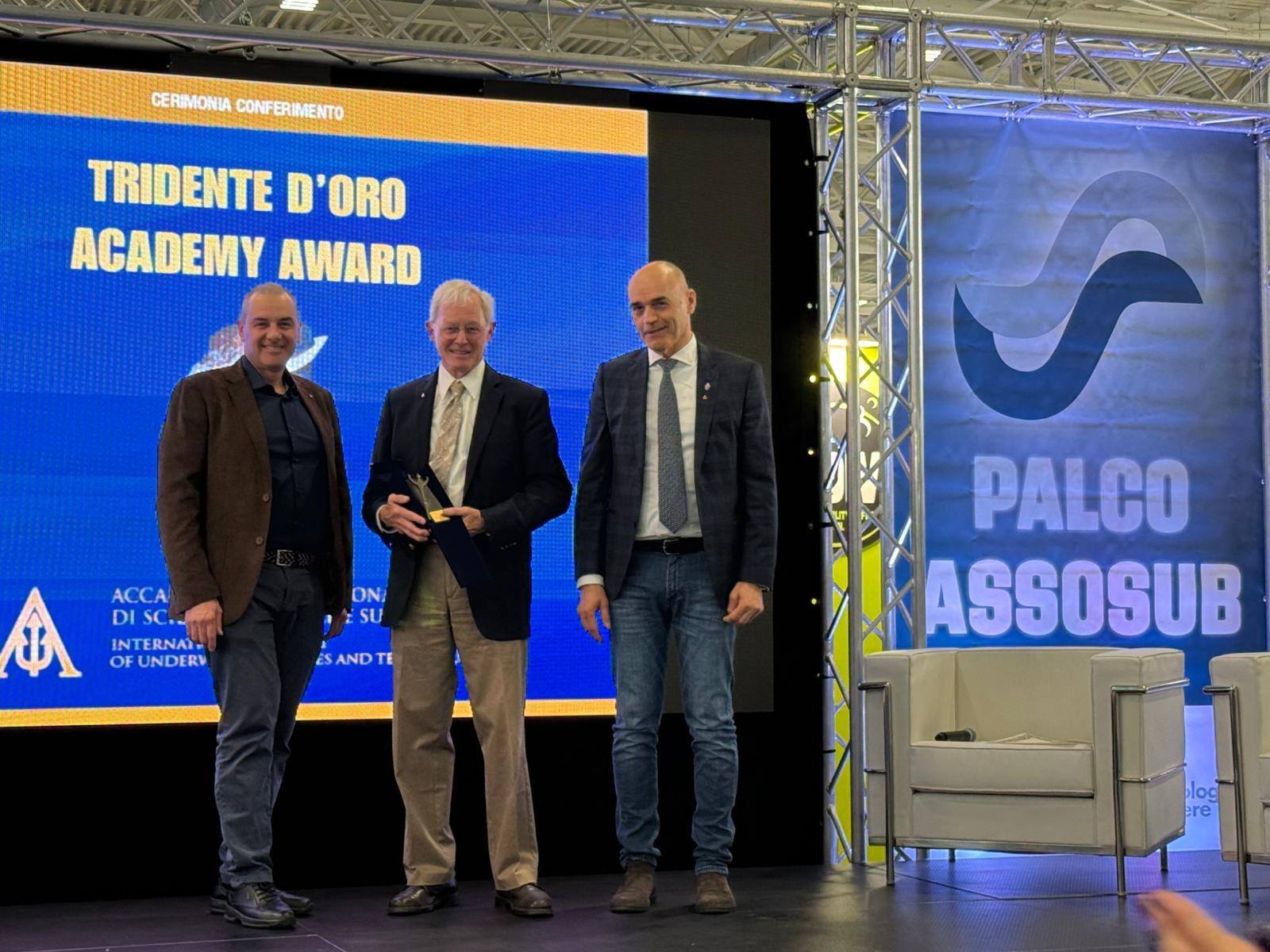
In February, Professor Stephen Thom, MD, PhD, received the prestigious Tridente d’Oro (or Golden Trident) award from the International Academy of Underwater Sciences and Techniques. The Tridente d’Oro award honors pioneers in exploration, science, and technology. It is known as the “Nobel Prize” of diving and is the most significant international recognition in the field.
Dr. Thom traveled to Bologna, Italy to receive the award at the European Dive Show (Eudi). The International Academy of Underwater Sciences and Techniques presented Dr. Thom with the award onstage at Eudi on February 22, 2026, specifically recognizing Dr. Thom’s exceptional contributions to understanding the molecular and cellular mechanisms of decompression sickness, as well as the therapeutic effects of hyperbaric oxygen therapy.
In his research, Dr. Thom has relentlessly pursued a better understanding of microparticles, a traditionally overlooked area of science. Many of his peers believe Dr. Thom’s focus on cellular biology has tremendous potential to transform treatment options for a wide range of patients, including those being treated for carbon monoxide poisoning, decompression sickness, and sickle cell disease, among others.
Congratulations, Dr. Thom!
Throughout the month of February, Assistant Professor Dr. Cheyenne Falat, MD, provided audiences across the Nation with safety tips and best practices for winter outdoor sports.
“As a skier, snowboarder, and emergency medicine doctor myself, I can tell you firsthand that skiing and snowboarding are some of the most exciting activities imaginable but also some of the most dangerous,” Dr. Falat said, in an EverydayHealth article published February 24.
Dr. Falat echoed these sentiments in an interview with Delaware’s WDEL-FM, on February 18.
Following February’s tragic avalanche accident in California, Dr. Falat was also interviewed by an ABC affiliate in San Francisco, emphasizing the need to protect emergency response workers in critical cold-weather situations.
On February 4, Professor and Chief Clinical Officer/Senior Vice President of the University of Maryland Medical Center David Marcozzi, MD, MHS-CL, was featured in Becker’s Healthcare Clinical Leadership Podcast.
In the episode, Dr. Marcozzi discusses methods for developing high reliability practices, expanding access to specialty care, and preparing for the Centers for Medicare and Medicaid Services’ Achieving Healthcare Efficiency through Accountable Design (AHEAD) model. Dr. Marcozzi also discusses the role of Artificial Intelligence in medicine.
On February 4, Assistant Professor Megan Cobb, MD, DPT, was interviewed by Baltimore’s ABC affiliate, WMAR 2, on the dangers of frostbite.
“The smaller you are, the faster it can happen,” Dr. Cobb shared with audiences, adding that for a normal-size adult, frostbite can happen within 20-30 minutes in certain conditions.
Dr. Cobb shared a similar message with The Baltimore Sun, which published an accompanying article on February 3.
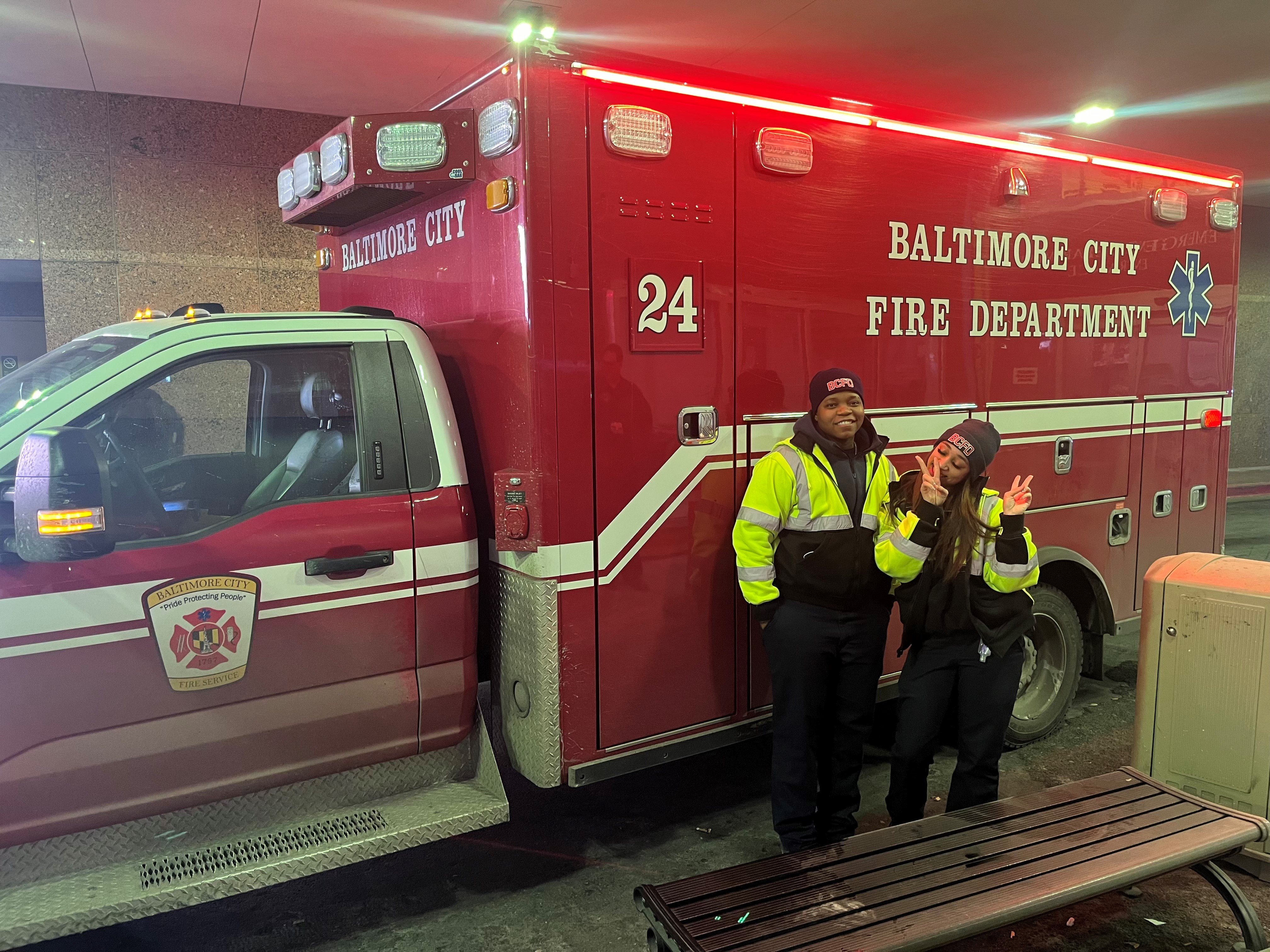
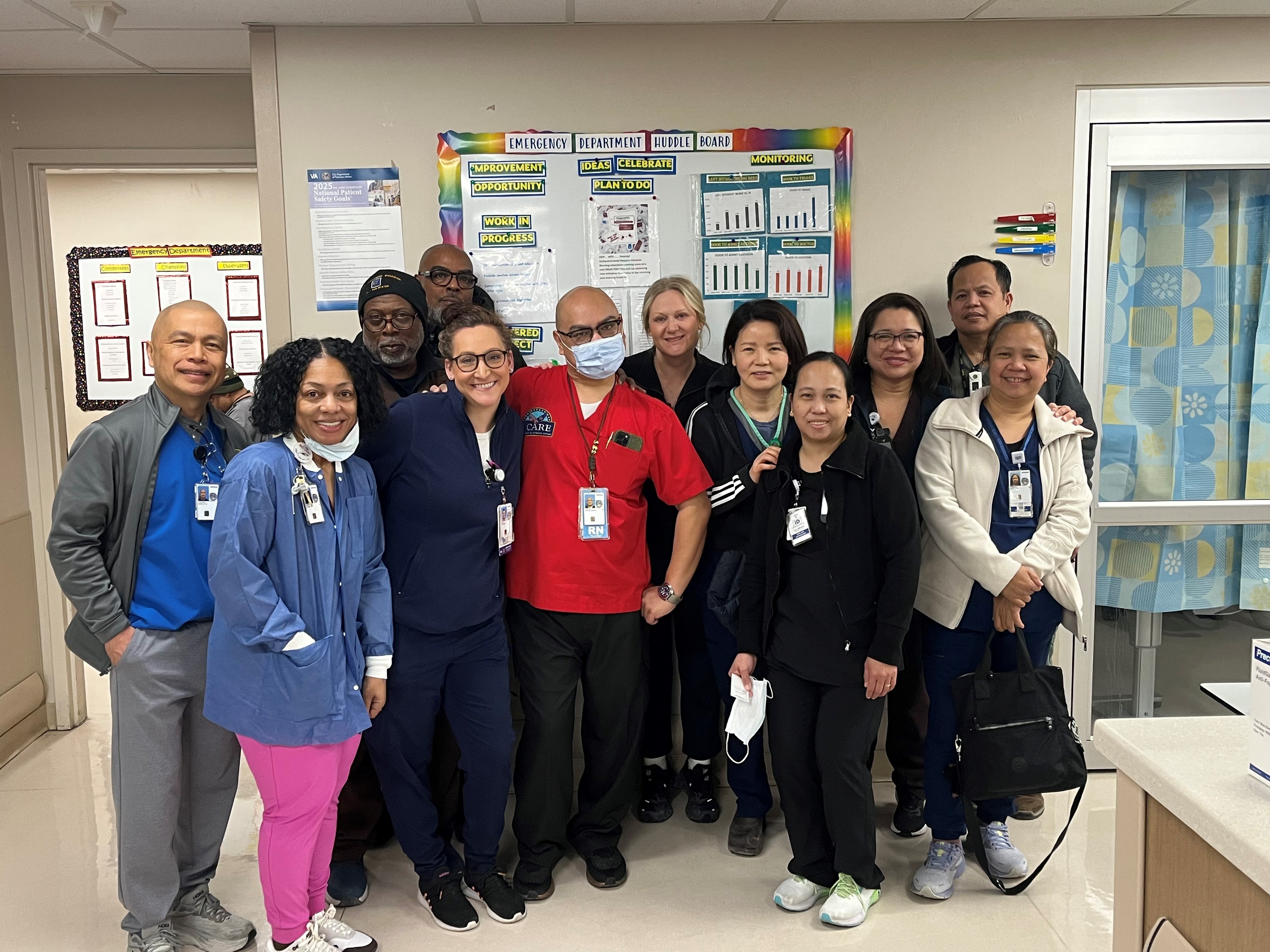
Today, February 9, 2026, the Baltimore VA Medical Center Emergency Department received its first patient by ambulance. This marks the first ambulance transport in the Center’s 73-year history.
The development was made possible through months of collaboration with Baltimore City Fire Department and The VA Capitol Health Care Network (VISN 5)—a network of VA medical centers that serves Veterans from areas within Maryland, the District of Columbia, and West Virginia, along with portions of Virginia, Pennsylvania, Ohio, and Kentucky.
“It’s wonderful to be able to better serve our veterans in this way,” Professor Jon Mark Hirshon, MD, PhD, MPH Medical Director of the University of Maryland Baltimore VA Medical Center Emergency Department said. “This is where Veterans trust their care. Now Veterans experiencing emergencies can trust local ambulances to transport them here when they need it the most.”
On December 30, Assistant Professor Megan Cobb, MD, DPT, was interviewed by Baltimore’s ABC affiliate, WMAR 2, on the rapidly spreading flu strain.
Noting that the current strain is highly contagious and can cause fever spikes in children, Dr. Cobb referenced the increasing number of Maryland children who have visited the State’s emergency departments due to influenza-like viruses.
Associate Professor Gentry Wilkerson, MD, was quoted in a January 6 Baltimore Sun article on medotomindine, a new additive to fentanyl. Medotomindine is a veterinary sedative and painkiller that has recently been noted as an additive in fentanyl in the Philadelphia area.
The article notes how public health leaders—including Dr. Wilkerson and his Emergency Medicine colleagues at the University of Maryland School of Medicine—have expressed concerns that the additive may soon spike in Baltimore too.